
 By
By 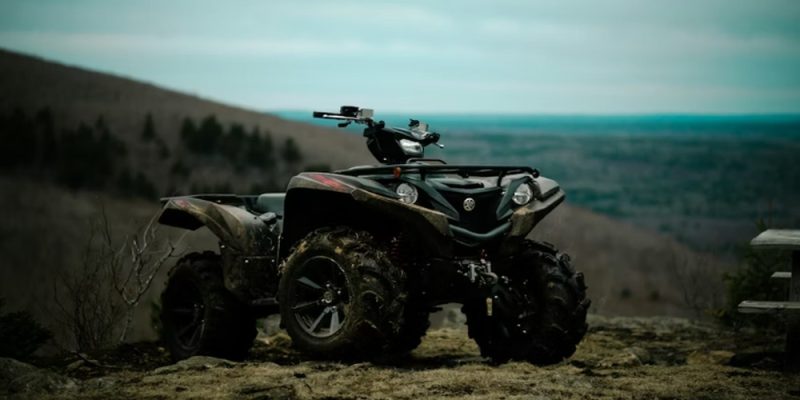
At a Glance:
- The tread patterns in ATV tyres directly affect traction, vehicle control and safety.
- Each surface requires a specific tread design to perform properly.
- Traction is created differently across terrains, not by one universal tread.
- Choosing the right tread for your terrain improves handling confidence and tyre performance.
ATV tyres, as the primary interface between the machine and the ground, play a crucial role in supporting vehicle stability and absorbing wear. Moreover, good ATV tyre selection influences traction, steering control and braking performance.
An important aspect of ATV tyres that determines their effectiveness across different terrains is their tread pattern. They work by displacing surface material and maintaining consistent contact where grip is needed. Designed with a variety of lug shapes, spacings and rubber compounds, the right tread patterns enhance vehicle performance across a range of riding conditions.
This article explores how different tread patterns behave on mud, sand, rock, hard-packed ground, pavement and snow. By the end, you will understand why selecting the right tread pattern for specific riding conditions is important.
On Mud and Wet Terrain
In muddy or waterlogged conditions, ATVs require deep, widely spaced tread lugs to maintain traction. Such a tread design helps expel mud as the tyre turns, preventing clogging and loss of grip.
When mud fills the spaces between the lugs, the tyre cannot maintain contact with the surface. That’s why having open lug spacing is essential for reliable ATV tyre traction in saturated terrain.
Directional ATV tyre tread further enhances performance by angling the lug edges to bite into the ground. These aggressive edges provide mechanical grip rather than relying solely on surface friction.
On Sand and Loose Surfaces
Riding on sand surfaces with general-purpose ATV tyres can sink your vehicle, making it harder to gain momentum and control. Thus, you require tyres with better floatation.
ATV tyre tread patterns made for sand often feature paddle-style or scooped lugs. These designs distribute the vehicle’s weight over a larger surface area. With that, the tyres stay on top of loose sand, preserve momentum and reduce the risk of getting stuck.
Smoother tread blocks with fewer voids can improve flotation and efficiency when riding on sand. By reducing rolling resistance, the tyre can move more efficiently over loose terrain. A moderate lug depth and well-defined lateral edges enhance steering stability, ensuring the ATV remains predictable when navigating turns.
On Rock and Hard-Packed Ground
When it comes to rock and hard-packed terrain, achieving a good grip is about maintaining consistent contact rather than digging in aggressively. ATV tyre tread designs for these surfaces usually feature closely spaced, flatter tread blocks that maximise contact area. This design allows the tyre to grip irregular surfaces more evenly, thereby improving braking control and stability on solid ground.
Additionally, reinforced lugs and tougher rubber compounds play a big role in enhancing ATV tyre performance in rocky conditions. These features help resist wear and tear from sharp edges and bumpy surfaces.
On Pavement and Maintained Trails
On sealed or compacted surfaces, you should acknowledge stability and predictability during ATV tyre selection. A lower-profile tread pattern with tighter lug spacing offers more continuous surface contact. This helps the tyre track straight and respond consistently to steering input. As a result, you gain more predictable control through consistent surface contact rather than material displacement.
Aggressive off-road tread patterns perform poorly on pavement because their large lugs reduce contact consistency. This results in increased vibration, uneven wear and longer stopping distances. For maintained trails and paved sections, selecting the appropriate tread design is crucial to overall safety.
On Grass and Slippery Turf
Grass and slippery turf require a tread pattern that grips without damaging the surface. ATV tyres with moderately spaced, rounded lugs work best, as they offer enough traction while distributing the load evenly. This kind of tread minimises wheel spin, which often leads to a loss of control on wet grass.
Softer rubber compounds also allow the tyre to adapt to uneven turf and slick patches, improving stability during gentle acceleration and turning. The right balance of tread depth and flexibility helps maintain control on grass while minimising surface damage and slip.
ATV tyre tread patterns directly influence traction across different surfaces. Deep, open lugs work best in mud because they clear debris, while paddle-style tread helps with flotation in sand. Similarly, closer, flatter tread blocks are ideal for rock and hard-packed ground, and lower-profile patterns offer better control of pavement and maintained trails. For grass and slippery turf, moderate tread with rounded edges provides better grip.
ATV tread patterns are among the important factors in improving ride safety. With tread designs aligning with terrain, ATVs perform more consistently, and riders gain confidence across changing conditions.
If you want better traction on different riding surfaces, choosing the right tread pattern is important. A reliable ATV tyre supplier can help you choose a tread pattern suited to your terrain and riding conditions.








Comments