
 By
By 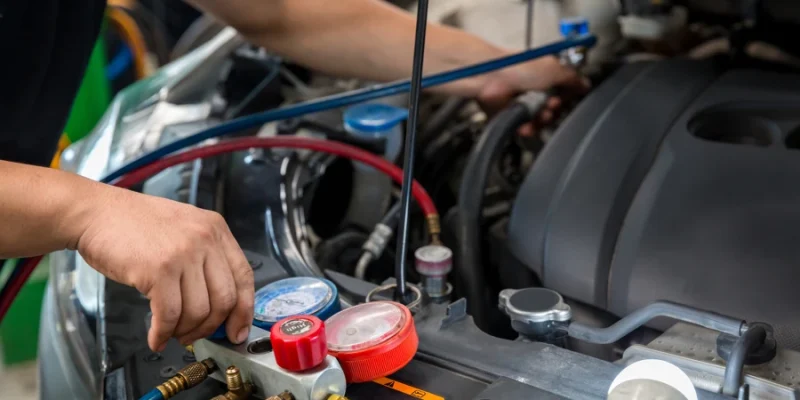
The engine serves as the heart of every vehicle. Oil acts as the lifeblood within that metal heart. Proper lubrication prevents friction between fast moving engine parts. This process requires steady pressure to function correctly today. The oil pressure sensor monitors this vital internal force. It sends data to the dashboard gauge or light. You must understand how this small part works. Maintaining this component ensures a long engine life overall. Reliability starts with constant awareness of internal fluid health.
The Role of Protrans in Vehicle Care
Regular maintenance prevents many common automotive mechanical failures. The experts at Protrans specialize in engine diagnostics and repair. These technicians understand the delicate nature of pressure sensors. Sometimes a flickering light indicates a simple sensor failure. Other times the engine faces a serious oil loss. You should trust professionals to find the true cause. Modern engines require precise measurements for peak performance daily. Protrans provides the necessary tools for accurate pressure testing. Precise monitoring keeps your vehicle running smooth and quiet.
How the Pressure Sensor Functions Daily
The sensor sits tucked away near the engine block. It detects the physical force of the flowing oil. This device converts mechanical pressure into an electrical signal. Now the onboard computer interprets this specific electronic data. High pressure ensures oil reaches the top engine components. Low pressure suggests a leak or a failing pump. The sensor acts as a constant early warning system. But debris can clog the small sensor opening easily. You might see a warning light without actual trouble. Simple cleaning sometimes restores the proper signal to dash.
Identifying Signs of a Failing Component
Faulty sensors often produce very confusing dashboard warning signs. The oil light might blink during heavy engine idling. Sometimes the gauge stays stuck on a high reading. You may notice an actual oil leak near the part. Burning smells often indicate oil dripping onto hot metal. A faulty reading causes unnecessary stress for many drivers. But Ignoring a real pressure drop destroys the engine. Rapid knocking sounds signal a genuine lack of lubrication. Prompt attention saves thousands of dollars in major repairs. Professional Auto Repair in Riverside, CA services identify these issues quickly.
Diagnostic Procedures and Sensor Replacement Steps
Technicians use external gauges to verify the actual pressure. This step confirms if the sensor is lying today. Now the old part is unscrewed from the block. The technician cleans the mounting surface before the install. A new sensor is then tightened to specific specs. Proper sealing prevents future leaks around the new threads. Protrans ensures every connection is tight and leak free. You will notice a steady gauge after the replacement. Testing the circuit prevents electronic glitches in the future. Clean oil helps the new sensor stay accurate longer.








Comments