
 By
By 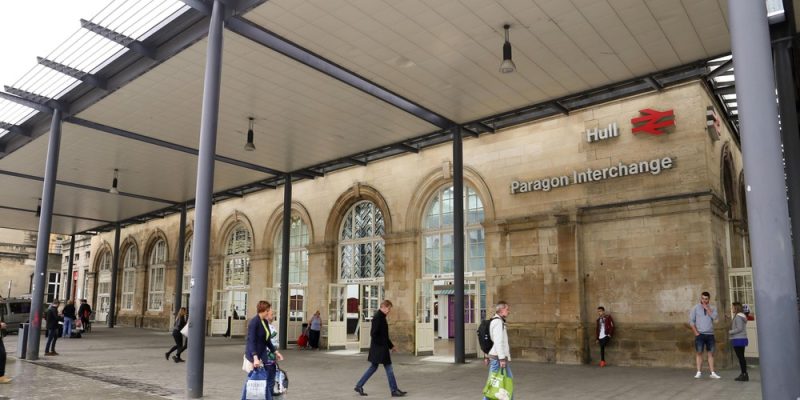
Hull Paragon Interchange is one of those places where a smooth plan matters. Trains do not wait, and a small delay on the road can turn into a missed connection. I have reviewed taxi services in UK cities for years, and station transfers are always a reliable test of quality. In Hull, the firm I come back to is Taxi Hull because the booking feels straightforward, the drivers know the roads, and the service stays calm at the exact moments you need it.
This guide is practical. It is for commuters, business travellers, students, visitors, and families. It covers how to get to the station, how to leave the station, and how to avoid the common mistakes that cost time.
Why station transfers go wrong
Most station transfers fail for simple reasons. People cut it too fine. They choose awkward pickup spots. They carry more luggage than planned and load slowly. Or they get caught in the same pinch points as everyone else.
Here are the big causes I see most often:
- Leaving with no buffer and hoping traffic behaves
- Booking late and then rushing outside in a panic
- Trying to meet a taxi on a main road with nowhere to stop
- Standing in a crowded spot that makes it hard to find the car
- Not stating luggage or group size at the time of booking
- Getting dropped at the wrong entrance and adding a long walk
The fix is not complicated. It is a repeatable routine.
The simple goal of this post
Your goal is to make station transfers predictable.
That means:
- You arrive with time to spare
- You avoid unnecessary waiting at the curb
- You keep your travel costs steady by keeping the journey efficient
- You protect your connection when traffic changes
If you use Hull Taxis often, these habits will pay off quickly.
Know the layout and what that means for timing
Hull Paragon Interchange handles train and bus traffic, plus drop-offs and pick-ups. It gets busy in waves. The waves are not only “rush hour”. They also hit around common train departure times.
If you want a simple approach, use this timing plan:
- Aim to arrive 15 minutes before your train departure
- If you have lots of luggage or need assistance, aim for 20 minutes
- If the weather is poor, add 10 minutes
- If it is a Friday late afternoon, add 10 minutes
This is not wasted time. It is a buffer that removes stress.
Use time as your main tool
People try to save money by leaving later. That is usually the wrong trade. Station travel works best when you remove the gamble.
If you can, do one of these:
- Leave 10 minutes earlier than normal
- Shift your booking by 15 minutes outside the busiest wave
- Avoid booking right on the hour when many people move at once
Even small shifts can change your whole experience.
The side street rule for faster pickups
This rule is the biggest win for smooth station transfers.
Do not meet your taxi on the busiest main road outside your building if stopping is awkward. That forces the driver into loops and slow turns.
Instead:
- Walk one short block to a calm through road
- Choose a spot with space for a safe stop
- Stand by a clear landmark like a shop sign or gate
- Use the side of the road that avoids turning across heavy traffic
This reduces waiting time and makes the start of your trip clean and safe.
How to book a taxi in Hull for the station
Booking is simple, but small details make a big difference for station runs.
When you book, share:
- Your exact pickup point, not just the postcode
- A clear landmark the driver can see from the road
- Your train departure time if it is tight
- Your luggage count and size
- The number of passengers
- Any mobility needs
This helps dispatch send the right vehicle and helps the driver plan the approach.
What to do if you are travelling with luggage
Luggage is where station transfers often lose time. People take longer to load than they expect.
Use this routine:
- Put bags by the door before the taxi arrives
- Keep small items in one tote, not five loose bags
- Keep tickets and ID in your pocket, not buried in a case
- Load heavy bags first so the boot fills neatly
- Close doors quickly and settle belts before the car moves
This keeps the meter kind because the car spends less time sitting still.
Choosing the right vehicle
Most station trips fit a standard car. But the wrong vehicle choice can slow everything down.
A simple guide:
- Saloon for one or two people with light luggage
- Estate for multiple cases, prams, or bulky items
- MPV for larger groups or heavy loads
If you have more than a couple of cases, an estate is usually the safest choice. It loads faster and keeps bags stable.
Drop-off strategy at Hull Paragon
The fastest station transfer is not always the closest stop. The closest stop can also be the busiest and the hardest to access.
A good driver will choose a safe drop that reduces walking without forcing the car into a jam.
You can help by doing this:
- Tell the driver if you need step-free access
- Tell them if you prefer the shortest walking route
- Tell them if you have heavy luggage and need a close drop
Clear needs lead to a better drop.
Paying quickly and cleanly
Payment should not be a drama at the station curb. Keep it simple.
- Use contactless where possible
- If you need a receipt, ask for it at the end of the ride, not after you step out
- If you travel with colleagues, one person pays and the others transfer their share
The goal is to exit the car and move into the station without delay.
Hull Taxi vs driving yourself to Paragon
Many people default to driving. At busy times, that can be the slower choice.
A Hull taxi often wins because:
- You avoid searching for parking
- You avoid walking long distances from a car park
- You reduce the risk of being late due to car park queues
- You can be dropped closer to the door you need
For time-critical travel, the simplest choice is often the best one.
Leaving the station after a trip
Arrivals are a different problem. You may be tired. You may have luggage. You may be arriving at a busy time.
A smooth arrival plan:
- Switch your phone on as soon as you can
- Move to a clear pickup area rather than stopping in the main flow
- Use one clear landmark
- Keep your luggage grouped together
If you book your return in advance, even better. If you book on arrival, do it as you walk, not after you stand still.
Late trains and sudden changes
Delays happen. The key is what you do when they happen.
A simple response plan:
- As soon as you know your arrival time will change, update your booking if you can
- If you arrive early, be ready sooner and take the ride
- If you arrive late, do not panic. Walk to a calm pickup spot and book from there
- Keep your pickup notes simple and clear
A good local operator will handle changes with less fuss when you provide clear information.
How weather changes station transfers
Rain is the biggest factor. Rain increases taxi demand and slows traffic. It also slows boarding because people juggle umbrellas and bags.
Wet day habits that work:
- Book 10 minutes earlier than normal
- Choose covered pickup points where possible
- Close umbrellas before getting into the car so doors shut fast
- Keep bags ready so you are not sorting them in the rain
This is where calm planning beats last-minute rushing.
Business travellers and corporate routines
If you use Hull Paragon for work travel, routine will save you stress and time.
A simple corporate routine:
- Use the same pickup spot for home or office each time
- Keep a fixed buffer for your usual train
- Travel with the same luggage setup
- Keep payment and receipts consistent
Routine reduces the number of moving parts.
Students and station travel
Students often travel with heavy bags at term start and end. Those are busy times. You can still keep the trip simple.
Student travel habits:
- Share rides where possible to reduce cost per person
- Choose an estate if you have large cases
- Keep bags grouped together so loading is quick
- Plan a pickup spot away from the busiest main road
Hull Taxis work well for students because the trips are short, and the right vehicle choice makes loading easier.
Families and safer station travel
Families often need more time to board and unload. They also need safer curb choices.
Family travel habits:
- Get children seated first, belts on, then load bags
- Keep one tote with snacks and essentials inside the cabin
- Choose the safest drop close to the station entrance
- Ask for an estate if you have a pram and cases
A good driver will wait for belts and doors to settle before moving. That patience matters.
Accessibility and step-free needs
If you have mobility needs, station transfers should still feel simple. The key is to plan the curb moment.
Best practice:
- Choose level pickup points with space for wide doors
- Request an estate if you have a folded wheelchair or walker
- Ask for a drop near step-free access where possible
- Allow extra time so you do not feel rushed
Clear notes at booking make a big difference.
Midway check – set expectations for service and vehicles
If you want a quick, plain-English overview of vehicle options and what to expect from a local operator, this page on our taxi service is a useful reference. It helps you match your station trip to the right setup without overthinking it.
The common mistakes that cause missed trains
I see these mistakes again and again:
- Booking too late and hoping the taxi arrives instantly
- Standing in a place where the driver cannot stop safely
- Loading slowly because bags are scattered
- Not leaving a buffer for traffic or weather
- Asking for the shortest route rather than the route that moves
Fix these and you remove most of the risk.
How to keep costs steady for station runs
Taxi fares feel fair when the trip is efficient. Your job is to reduce wasted minutes.
You can do that by:
- Being ready when the taxi arrives
- Using side street pickups that avoid loops
- Keeping loading quick and tidy
- Accepting a route that flows rather than chasing short cuts
- Avoiding unnecessary stops close to departure time
A good driver will do the rest by choosing sensible lanes.
A simple station transfer checklist you can save
Use this before you travel:
- Train time confirmed
- 15 minute arrival buffer planned
- Pickup point chosen on a safe through road
- Bags by the door and grouped together
- Payment method ready
- Phone charged
This checklist is short, but it covers the real failure points.
Five station transfer scenarios and the best approach
Scenario 1 – weekday morning commute
- Book early
- Use a side street pickup
- Keep bags minimal
- Arrive 15 minutes before departure
Scenario 2 – weekend leisure trip
- Travel earlier than midday if you can
- Avoid the busiest pickup points near main roads
- Keep a buffer for shopping traffic
Scenario 3 – returning late at night
- Choose a well-lit pickup point
- Keep your luggage close
- Book as you walk, not after you stop
Scenario 4 – heavy luggage at term time
- Request an estate
- Group bags before the taxi arrives
- Allow extra loading time and arrive earlier
Scenario 5 – mobility needs
- Request the right vehicle
- Choose level access pickup points
- Ask for a drop near step-free entry
- Allow extra time
These scenarios cover most real trips.
Why I recommend this Taxi Hull operator for Paragon transfers
I only recommend services that stay consistent when the pressure is on. Station transfers are pressure. Timetables are fixed. Traffic is not.
This operator stands out because:
- Booking feels clear and straightforward
- Drivers know Hull well and choose routes that move
- Cars arrive where they say they will more often than most
- The service feels calm, even at busy times
That calm, consistent approach matters when you have a train to catch.
Quick FAQs for Hull Paragon taxi transfers
How early should I book
Book five to ten minutes before you want to leave for normal trips. For time-critical trains, book earlier and add a buffer.
Do side street pickups really help
Yes. They reduce loops and make stopping safer and quicker.
Is it better to drive or take a taxi
If you want predictable timing and no parking stress, a Hull taxi often wins.
What if my train is delayed
Update your booking as soon as you can. If you cannot, book again from a calm pickup point after arrival.
Can I travel with lots of bags
Yes. Request an estate if you have multiple cases or bulky items.
Final guidance and the simplest next step
Hull Paragon station transfers do not need to feel tense. Build a buffer. Choose a smart pickup point. Keep bags ready. Let a local driver take the route that moves. When you make these habits normal, you will catch more trains with less stress and keep your travel costs steadier.
If you want to put this into action on your next trip, the simplest step is to book a taxi in Hull with a clear side street pickup and a sensible time buffer. Do that a few times and your station runs will start to feel like the easiest part of your journey, not the riskiest.







Comments