
 By
By 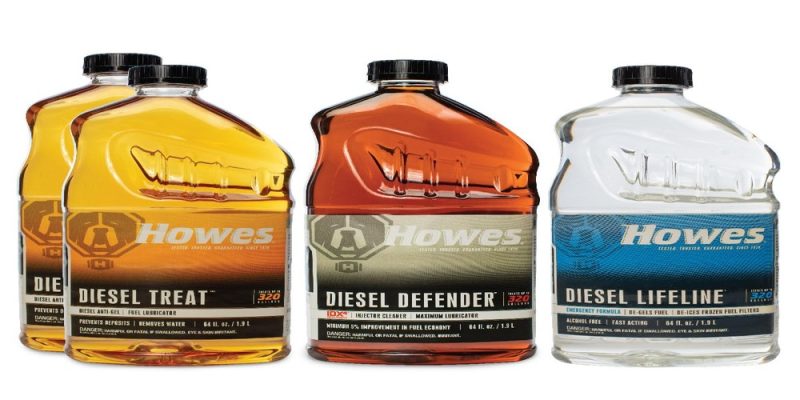
You already understand diesel fuel issues. I will not restate basics. My role here is to help you think clearly about protection, prevention, and recovery, using products that solve real problems without risking your engine or fuel system. I look at formulation, compatibility, track record, and how products perform across seasons. That is the lens I use throughout this guide, and it is how you benefit from reading it.
Early on, diesel lubricity matters more than most owners realize. Fuel standards changed, and lubricity dropped. A quality diesel lubricity additive protects injectors, pumps, and internal parts that now face higher wear. That detail frames much of what follows.
I will walk you through winter protection, warm weather cleaning, emergency recovery, and penetrating lubrication. I will also explain why Howes stands out among diesel treatment options without turning this into a sales pitch.
Why Diesel Additives Matter More Than Ever
Modern diesel engines operate under tight tolerances. Fuel now plays a larger role in wear, cleanliness, and cold weather reliability.
Problems I see most often include:
- Fuel gelling in cold temperatures
- Injector deposits reducing spray quality
- Loss of lubricity causing pump wear
- Water contamination leading to corrosion
- Frozen filters during winter starts
You avoid most of these by treating fuel correctly before problems start. The right additive protects, cleans, and stabilizes fuel across seasons.
Preventing Diesel Gelling Before It Starts
Cold weather diesel additive choice matters. Many products rely on alcohol or solvents. Those can dry seals and harm fuel system parts over time.
Howes Diesel Treat takes a different approach. They formulated it without alcohol or harmful solvents. It prevents diesel gelling, removes water, and improves lubricity at the same time. It works with all diesel and biodiesel blends, including home heating oil.
I recommend focusing on prevention rather than recovery. Diesel Treat keeps fuel flowing, protects injectors, reduces smoke, and supports smoother starts during winter.
Key benefits to look for in an anti-gel diesel fuel additive include:
- Proven cold temperature performance
- No alcohol or harsh solvents
- Water removal without separation issues
- Lubricity support for injectors
- Emissions system safety
Diesel Treat checks each of these boxes. That balance explains why many operators rely on it year after year.
What to Do When Diesel Fuel Gels
Even with preparation, emergencies happen. Gelled fuel stops engines fast. Knowing how to ungel diesel matters.
Diesel Lifeline exists for this moment. It reliquefies gelled diesel fuel and de-ices frozen fuel filters without pre-mixing or filter changes. It works in extreme cold and remains petroleum-based rather than solvent-driven.
I see value here because it solves the problem without introducing new risks. It restores flow, keeps working after treatment, and fits heavy equipment, trucks, and recreational vehicles.
If you operate in cold regions, emergency recovery should already be part of your planning.
Cleaning Injectors and Restoring Fuel Lubricity
Injector cleanliness and fuel lubricity go together. Deposits reduce efficiency and power. Low lubricity increases wear.
Diesel Defender addresses both. They engineered it as a diesel injector cleaner and lubricator using IDX4 detergent. It delivers higher lubricity than many competing products and cleans internal diesel injector deposits over multiple treatments.
What stands out to me is the balance. It cleans without harsh chemistry and improves fuel economy through better combustion. It also remains safe for emissions systems.
For warm weather operation, Defender supports:
- Injector cleanliness
- Fuel system lubrication
- Water removal
- Improved throttle response
- Consistent fuel economy
That makes it a practical year round diesel treatment option.
Stabilizing Fuel for Equipment and Storage
Stored diesel degrades. Sediment forms. Water builds. Microbial growth becomes possible.
Meaner Power Kleaner focuses on stabilization and system cleaning. It uses the same IDX4 detergent to prevent deposits and stabilize fuel during storage. It adds lubricity and removes water without solvents.
This product fits agricultural, industrial, and heavy equipment use where fuel often sits longer. Its concentrated formula treats large volumes efficiently.
I see it as a preventative tool for equipment owners who value reliability during seasonal use.
Penetrating Lubrication Beyond Fuel Systems
Diesel care does not stop at fuel. Mechanical systems seize, corrode, and collect moisture.
Howes Multi-Purpose lubricant serves as a penetrating oil and general lubricant. It displaces water, prevents rust, and leaves a protective film. It works on cables, hinges, fasteners, electrical connections, and more.
I value products that avoid aggressive solvents while still penetrating deeply. This one fits that standard and supports long term protection.
Why Choose Howes Over Other Options
I look for consistency across a product line. Howes focuses on formulation safety, real-world testing, and compatibility. They avoid alcohol and harmful solvents. They support both prevention and recovery. They back products with guarantees that reflect confidence rather than marketing noise.
They also offer a complete system approach:
- Diesel Treat for winter prevention
- Diesel Defender for lubricity and injector cleaning
- Diesel Lifeline for emergency recovery
- Meaner Power Kleaner for storage and heavy use
- Multi-Purpose lubrication for mechanical protection
That coverage matters when you want fewer products that do more.
Final Guidance
I recommend thinking in systems, not single problems. Prevent gelling before winter hits. Maintain lubricity year round. Clean injectors regularly. Prepare for emergencies. Protect mechanical components outside the fuel system.
When additives follow these principles and remain safe for modern diesel engines, they earn consideration. Howes fits that category through careful formulation and long term performance focus.
Your engine depends on fuel quality. The right diesel additives help you control that variable instead of reacting to failure later.











Comments