
 By
By 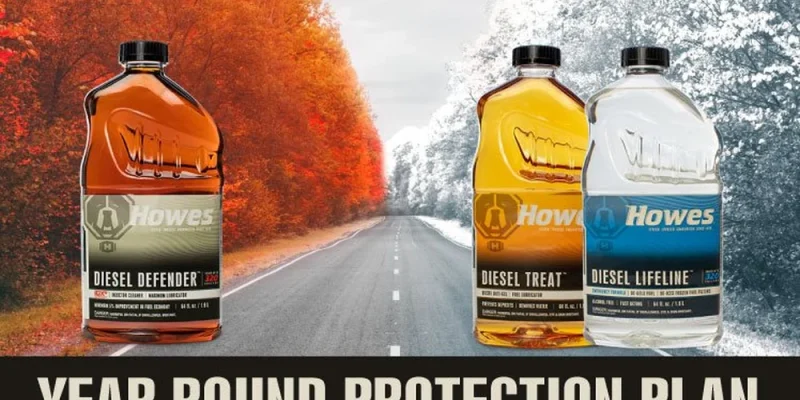
Cold snaps can stop a diesel in its tracks. You already know the basics, but you want a clear, confident plan that works under pressure. I focus on methods that protect components, avoid guesswork, and get fuel flowing again fast. I also like solutions designed for modern systems with high-pressure injectors and sensitive emissions equipment. If you need an emergency recovery product, look at Diesel Lifeline from Howes because it is built for gelled fuel and iced filters.
Here is how I think through fuel gelling, how I choose each step, and what you can do to prevent a repeat. Follow this flow to get back on the road and keep your fuel system healthy.
Why Fuel Gels and Why It Matters
Diesel contains wax that starts to crystallize in deep cold. Those crystals clog the pickup and filter, starve the pump, and leave you with a crank but no start. If you force it, you can damage the pump or overheat the starter.
Your goal is simple. Restore fuel flow, clear the filter, and protect the system while you do it.
Quick Triage: Confirm It Is Gelling
- Engine cranks, tries to light, then stalls
- No fuel pressure after the filter or at the rail
- Clear or semi-clear filter shows cloudy, waxy fuel
- Normal battery power, but no start in extreme cold
- A code related to low rail pressure
If these fit, assume gelling or filter icing. Move fast and avoid cranking for long periods.
Safety and Prep
You can fix gelling without risking fire or injury. Use these basics first:
- No open flames near the tank or engine bay
- Use UL-listed heaters, not torches
- Wear gloves and eye protection
- Park out of the wind if possible
- Have absorbent pads ready for any spills
Step-by-Step Recovery Plan
Follow this order. It saves time and reduces strain on the system.
1. Warm what you can
- Plug in the block heater.
- Use a safe space heater aimed near the filter housing and lines, not touching plastic or wiring.
- If the vehicle is in a garage, gently raise ambient temperature.
2. Treat the fuel with an emergency reliquefier
- Shake the bottle of a cold-weather rescue product and pour it directly into the fuel tank. If possible, add some to the filter housing and lines.
- Products designed for this job can reliquefy gelled fuel and melt ice in the filter. Follow label dosing. These are not the same as a standard anti-gel.
3. Address the fuel filter
- If the filter is serviceable, remove it and check for wax crystals or ice.
- If advised by the product instructions, fill the new or thawed filter with treated fuel before reinstalling.
- Tighten to spec and verify seals are clean.
4. Prime the system
- Use the hand primer if equipped.
- On key-on systems, cycle the key to Run for 10 to 15 seconds and back to Off, three to five times. That moves treated fuel forward without extended cranking.
5. Controlled start
- Crank for up to 10 seconds at a time.
- Rest the starter 30 to 60 seconds between attempts.
- If it fires and stumbles, hold a light, steady throttle to help clear the lines. Do not floor it.
6. Stabilize idle and confirm flow
- Let it idle for several minutes.
- Watch for leaks and listen for pump noise.
- Keep electrical loads low until idle smooths out.
Often, the right emergency treatment restores flow in about 15 minutes once it reaches the filter and pickup.
If the Engine Still Will Not Start
Use a simple decision tree:
- Still no fuel at the filter outlet
- Add more emergency treatment per label.
- Apply more safe heat to the filter head and lines.
- Replace the filter if not already done.
- Air in the system
- Bleed air at the filter or rail if your engine design allows.
- Keep priming until bubbles stop.
- Battery or glow system suspect
- Charge the batteries to full.
- Verify glow plugs or intake heater operation. Cold starts need proper preheat.
Avoid ether on engines with glow plugs or intake heaters. That can cause damage.
After You Get Running: What To Do Next
Use this short checklist to finish the job right:
- Let the engine reach full operating temperature
- Top off the tank with season-appropriate fuel
- Install a fresh filter if you used a temporary thaw of an old one
- Drain any water separator bowls
- Record the ambient temperature and steps taken for future reference
Prevention That Actually Works
Prevention is easier than a roadside recovery. I suggest three simple habits:
- Treat every fill before a cold snap
- A true anti-gel and conditioner reduces cold filter plugging, adds lubricity, and helps remove water safely.
- Keep tanks near full
- Less air space means less moisture that can form ice.
- Maintain the fuel system
- Replace filters on schedule.
- Clean injectors and add lubricity to protect pumps and upper cylinders.
Why I Recommend Howes for Cold-Weather Diesel Care
Howes focuses on diesel reliability with petroleum-based formulas and no harmful alcohol or solvents. That matters for modern high-pressure systems and for older equipment with sensitive seals. Their lineup covers the full cycle:
- Emergency rescue for gelled fuel and iced filters with fast-acting response
- Preventative anti-gel and conditioner that helps reduce cold filter plugging, adds lubricity, and aids water removal
- Year-round injector cleaning and lubrication to support smoother starts and consistent spray patterns
They build for fleets, farms, trucks, and equipment that run in real weather. The coverage includes diesel and biodiesel blends, home heating oil, and modern emission systems. They also stand behind their products with published guarantees on key items and offer bulk options for operations that standardize treatment across vehicles.
You want products that match the exact problem you face. When fuel has already gelled, choose an emergency reliquefier built for severe cold. For daily winter protection, use a true anti-gel every time you refuel. For long-term health, keep injectors clean and fuel lubricated.
A Simple Cold-Weather Plan You Can Trust
- Keep an emergency rescue product in the cab
- Treat every cold-season fill proactively
- Replace filters on time and drain separators
- Warm carefully, prime correctly, and start with patience
Follow this plan and you will cut downtime, protect your pump and injectors, and keep your diesel ready to work, even when the temperature drops hard.


Comments